Interdisciplinary Journal of the African Alliance for Research, Advocacy and Innovation
IJAARAI
E-ISSN: 3093-4664
Belonging, Identity, and Institutional Inclusion among African International Students in Indian Higher Education: Evidence from a Cross-Sectional
Article Information
Access the Full Article
Read or download the complete article in PDF format.
Abstract
Keywords
Full Article
1.INTRODUCTION
The internationalisation of higher education has transformed universities into globally connected institutions that attract students from diverse cultural, linguistic, and national backgrounds (Altbach & Knight, 2007). Increasing international student mobility has enriched teaching, research, and intercultural learning while simultaneously challenging universities to create environments that support equitable participation and meaningful inclusion (de Wit et al., 2015). The success of internationalisation is increasingly evaluated not only by the number of international students enrolled but also by the quality of their educational experiences and their sense of belonging within host institutions (Strayhorn, 2019).
India has emerged as an increasingly important destination for international students, particularly those from Africa (ICEF Monitor, 2022). Its expanding higher education sector, relatively affordable tuition fees, English medium instruction, and longstanding diplomatic and educational partnerships with African countries have contributed to growing student mobility (Ministry of Education, Government of India, 2020). Government scholarship initiatives and institutional collaborations have further strengthened educational links between India and several African nations, making India an attractive destination for students seeking internationally recognised qualifications (Choudaha, 2017).
International students frequently encounter challenges associated with cultural adjustment, language differences, financial pressures, unfamiliar academic expectations, and social integration (Andrade, 2006; Lee & Rice, 2007). These experiences influence not only academic performance but also students’ psychological wellbeing, identity development, and sense of belonging within the university community (Marginson, 2014; Strayhorn, 2019). Universities therefore face increasing responsibility to ensure that internationalisation is accompanied by institutional policies and practices that promote inclusion, equity, and meaningful participation (Fraser, 2008).
Among international student populations, African international students represent a group whose experiences remain comparatively underexplored within higher education research (Mwangi et al., 2019). Existing scholarship has documented challenges relating to racialisation, cultural stereotyping, discrimination, and limited institutional support (Lee & Rice, 2007; Mbembe, 2016). At the same time, African international students demonstrate considerable resilience as they negotiate new educational environments while maintaining connections to their cultural identities (Mwangi et al., 2019). Understanding these experiences is essential for developing institutional policies that respond effectively to the needs of increasingly diverse student populations.
Although research on international student experiences has expanded considerably, much of the existing evidence originates from Europe, North America, and Australia (Altbach & Knight, 2007; de Wit et al., 2015). Comparatively little attention has been devoted to African international students studying in Indian higher education institutions despite the growing educational relationship between India and Africa. This represents an important gap in the literature, particularly given India’s increasing prominence as a destination for international education within the Global South (UNESCO, 2024).
This study addresses this gap by examining belonging, identity, and institutional inclusion among African international students studying in Indian higher education institutions. It investigates how students perceive their academic and social experiences and explores the institutional factors that influence their sense of belonging and inclusion. Guided by Social Justice Theory (Fraser, 2008) and Decolonial Theory (Mbembe, 2016; Ndlovu-Gatsheni, 2013), the study contributes to a deeper understanding of international student experiences while offering evidence-based recommendations for strengthening institutional inclusion within higher education.
2. LITERATURE REVIEW
2.1 Internationalisation of Higher Education
Internationalisation has become a defining characteristic of contemporary higher education, shaping how universities respond to globalisation through teaching, research, knowledge exchange, and student mobility (Knight, 2004). Knight (2004) defines internationalisation as the process of integrating international, intercultural, and global dimensions into the purpose, functions, and delivery of higher education. This definition emphasises that internationalisation extends beyond recruiting international students to encompass institutional policies, curriculum development, research collaboration, and intercultural engagement.
Altbach and Knight (2007) argue that internationalisation has evolved into a strategic priority for universities seeking to enhance academic quality, institutional competitiveness, and global visibility. The increasing movement of students across national borders has transformed universities into multicultural learning environments where students from diverse linguistic, cultural, and educational backgrounds interact and contribute to knowledge production. Higher education institutions are increasingly expected to develop policies that facilitate not only international student recruitment but also successful academic and social integration (Beelen & Jones, 2015).
Recent scholarship suggests that internationalisation should be understood as a comprehensive institutional process rather than a numerical increase in international student enrolment (de Wit et al., 2015). De Wit et al. (2015) argue that meaningful internationalisation requires universities to embed international and intercultural dimensions throughout institutional structures, teaching practices, student services, and community engagement. Brandenburg and de Wit (2011) caution that excessive emphasis on rankings, recruitment targets, and financial benefits may undermine the broader educational objectives of internationalisation if universities fail to create inclusive learning environments that support all students.
India has emerged as an increasingly important destination for international students, particularly those from African countries, owing to its expanding higher education sector, relatively affordable tuition fees, English medium instruction, and longstanding educational cooperation with African nations (ICEF Monitor, 2022; Kumar, 2018). These developments reflect India’s growing role within the internationalisation of higher education and highlight the importance of understanding
the educational experiences of African international students within Indian universities (Gupta & Gupta, 2012). Despite this growth, existing research has paid comparatively limited attention to how African international students experience belonging, identity, and institutional inclusion within the Indian higher education context (Singh, 2013).
2.2 Belonging in Higher Education
Belonging has emerged as one of the most influential concepts in higher education research because of its strong association with students’ academic achievement, persistence, psychological wellbeing, and overall educational experience (Strayhorn, 2019). Belonging reflects students’ perceptions that they are accepted, respected, valued, and included within the university community (Strayhorn, 2019). Students who develop a strong sense of belonging are generally more engaged in learning, participate more actively in campus activities, and demonstrate greater academic resilience than those who experience social isolation or exclusion (Cemalcilar, 2010).
Tinto’s (1993) theory of student integration provides one of the earliest and most influential explanations of belonging within higher education. According to Tinto (1993), students are more likely to persist in their studies when they become academically and socially integrated into their institutions. Academic integration involves meaningful engagement with learning, faculty members, and institutional expectations, while social integration refers to the development of supportive peer relationships and participation in university life. Together, these forms of integration strengthen students’ commitment to their institutions and reduce the likelihood of withdrawal (Tinto, 1993).
Strayhorn (2019) argues that belonging is a basic human need that is particularly important in higher education because it influences students’ motivation, confidence, and willingness to participate in academic and social activities. Belonging is shaped by students’ daily interactions with peers, lecturers, and institutional staff, as well as by the extent to which institutional environments recognise and value diverse identities (Strayhorn, 2019). Belonging should be understood as a dynamic process that develops through continuous interaction between students and their educational environments rather than as a fixed individual characteristic (Glass & Westmont, 2014).
Research demonstrates that institutional practices play a central role in fostering belonging among international students (Ager & Strang, 2008; Glass et al., 2015). Ager and Strang (2008) argue that successful integration depends on access to institutional resources, supportive social networks, meaningful participation, and opportunities for building relationships within host communities. Glass et al. (2015) found that positive interactions with faculty members, participation in extracurricular activities, and supportive campus climates significantly enhance international students’ sense of belonging and academic engagement. These findings suggest that universities have a responsibility to create environments in which international students feel welcomed, supported, and able to participate fully in academic and campus life (Guo & Guo, 2017).
For African international students, belonging may be influenced by additional factors, including cultural adjustment, racialisation, discrimination, language differences, and unfamiliar educational
practices (Lee & Rice, 2007). Lee and Rice (2007) found that many international students experience subtle and overt forms of discrimination that affect their academic confidence and social participation. Such experiences may reduce students’ sense of belonging and limit opportunities for meaningful engagement within university communities (Yao & Mwangi, 2022). Conversely, institutions that promote intercultural dialogue, inclusive teaching practices, equitable student support services, and culturally responsive policies are more likely to strengthen students’ feelings of acceptance and institutional attachment (Mwangi et al., 2019).
2.3 Identity among African International Students
Identity is a dynamic construct shaped by migration, intercultural interaction, and adaptation to unfamiliar academic and social contexts (Marginson, 2014). For international students, identity is continuously negotiated as they encounter new cultural expectations, educational systems, and interpersonal relationships (Marginson, 2014). Studying abroad frequently becomes a transformative experience that influences students’ personal, cultural, and academic identities (Bilecen, 2014).
Marginson (2014) argues that international education provides opportunities for self formation, enabling students to develop greater independence, intercultural competence, and global perspectives. Through engagement with diverse learning environments, international students reconstruct aspects of their identities while maintaining important connections to their cultural heritage (Marginson, 2014). This process allows students to acquire new knowledge and experiences without necessarily abandoning their original cultural values or sense of identity (Montgomery, 2010).
For African international students, identity formation is often shaped by experiences that extend beyond academic adjustment (Mwangi et al., 2019). Research indicates that many African students encounter racialisation, stereotyping, cultural misunderstandings, and unequal treatment within host institutions, all of which influence how they perceive themselves and their place within the university community (Lee & Rice, 2007). Such experiences may create tensions between students’ cultural identities and the expectations of the host institution, requiring continuous negotiation of multiple social and cultural identities (Mwangi et al., 2019).
Mwangi, Daoud, and colleagues (2019) argue that African international students frequently navigate complex intersections of nationality, race, language, and culture while studying abroad. These intersecting identities influence students’ academic engagement, social relationships, and sense of belonging (Mwangi et al., 2019). Rather than viewing African international students as a homogeneous population, universities should recognise the diversity of experiences shaped by different national backgrounds, educational histories, religious affiliations, and socioeconomic circumstances (Madge et al., 2015). Institutional policies that acknowledge and respect this diversity contribute positively to students’ educational experiences and identity development (Ryan, 2011).
Identity development is also closely associated with institutional environments that promote inclusion and cultural recognition (Mbembe, 2016). Universities that encourage intercultural
dialogue, celebrate cultural diversity, and provide opportunities for students to express their cultural identities create conditions that support positive identity formation (Leask, 2009). Conversely, institutional practices that ignore or marginalise students’ cultural backgrounds may contribute to feelings of exclusion, reduced self-confidence, and weaker institutional attachment (Mbembe, 2016). Decolonial scholars further argue that higher education institutions should critically examine inherited structures and practices that privilege dominant knowledge systems while overlooking the experiences and perspectives of historically underrepresented groups (Ndlovu-Gatsheni, 2013).
2.4 Institutional Inclusion
Institutional inclusion has become a central objective of contemporary higher education as universities seek to create learning environments that enable students from diverse cultural, linguistic, and social backgrounds to participate fully in academic and campus life (Fraser, 2008). Inclusion extends beyond providing access to higher education and requires institutions to establish policies, practices, and support systems that ensure all students experience equitable opportunities for learning, participation, and success (Fraser, 2008). Institutional inclusion is increasingly recognised as a key indicator of the quality and effectiveness of internationalisation (Guo & Guo, 2017).
Fraser’s (2008) theory of social justice argues that equitable participation depends on three interrelated dimensions: redistribution, recognition, and representation. Redistribution concerns the equitable allocation of institutional resources and opportunities; recognition requires respect for diverse identities and the elimination of cultural marginalisation; and representation emphasises students’ meaningful participation in institutional decision-making (Fraser, 2008). Together, these dimensions provide a useful framework for understanding how universities can promote inclusion among culturally diverse student populations (Banks, 2015).
Within higher education, institutional inclusion encompasses a broad range of practices, including accessible student support services, culturally responsive teaching, equitable administrative procedures, academic mentoring, and opportunities for intercultural engagement (Glass et al., 2015). Universities that implement these practices are more likely to create environments in which international students feel respected, supported, and able to participate fully in both academic and social aspects of university life (Leask, 2015). Such institutional environments contribute positively to students’ sense of belonging, academic engagement, and overall educational satisfaction (Spencer-Oatey & Dauber, 2019).
For African international students, institutional inclusion is particularly important because many encounter challenges associated with cultural adjustment, racialisation, discrimination, unfamiliar academic expectations, and limited institutional support (Lee & Rice, 2007). Research indicates that experiences of exclusion may reduce students’ academic confidence, weaken social participation, and negatively affect psychological wellbeing (Yao & Mwangi, 2022). Conversely, institutions that actively promote equity, cultural diversity, and inclusive student services foster stronger institutional attachment and improve students’ educational experiences (Mwangi et al., 2019).
Decolonial scholars further argue that meaningful institutional inclusion requires universities to critically examine organisational structures, knowledge systems, and institutional cultures that may unintentionally privilege dominant perspectives while marginalising historically underrepresented groups (Mbembe, 2016; Ndlovu-Gatsheni, 2013). From this perspective, inclusion involves more than increasing student diversity; it requires transforming institutional practices to recognise multiple ways of knowing, value cultural diversity, and create genuinely equitable learning environments (Mbembe, 2016). Such transformation enables universities to move beyond symbolic commitments to diversity toward more substantive forms of institutional change (Ndlovu-Gatsheni, 2013).
2.5 Research Gap
Existing literature has significantly contributed to understanding the internationalisation of higher education, student belonging, identity development, and institutional inclusion (Glass et al., 2015; Strayhorn, 2019; Tinto, 1993). Studies have consistently demonstrated that supportive institutional environments positively influence international students’ academic achievement, social integration, psychological wellbeing, and overall educational experiences (Ager & Strang, 2008; Glass & Westmont, 2014). Similarly, research on internationalisation has highlighted the growing importance of creating universities that promote intercultural learning and equitable participation rather than focusing solely on increasing international student enrolment (Altbach & Knight, 2007; de Wit et al., 2015).
Despite these contributions, important gaps remain within the existing literature. First, much of the current research has been conducted in Western higher education contexts, particularly in the United States, Canada, the United Kingdom, and Australia (Altbach & Knight, 2007; de Wit et al., 2015). Comparatively little empirical research has examined the experiences of African international students studying in India, despite India’s increasing importance as a destination for higher education within the Global South (UNESCO, 2024). As a result, existing knowledge does not adequately reflect the institutional, cultural, and educational realities of the Indian higher education context (Singh, 2013).
Second, previous studies have often examined belonging, identity, or institutional inclusion as separate constructs rather than investigating their interrelationships (Yao & Mwangi, 2022). While studies have explored students’ sense of belonging (Strayhorn, 2019; Tinto, 1993), identity development (Marginson, 2014), and institutional inclusion (Fraser, 2008) independently, relatively few have integrated these concepts within a single analytical framework to explain the experiences of African international students. A more comprehensive understanding requires examining how these dimensions interact to shape students’ educational experiences within culturally diverse universities (Mwangi et al., 2019).
Third, although African international students are becoming an increasingly visible population within global higher education, they remain comparatively underrepresented in empirical research (Mwangi et al., 2019). Existing studies frequently treat international students as a homogeneous group, overlooking the distinct historical, cultural, linguistic, and socio-political experiences that
shape the educational journeys of African students (Lee & Rice, 2007; Madge et al., 2015). Consequently, there remains limited evidence regarding how African international students negotiate belonging, identity, and institutional inclusion within non-Western higher education systems (Yao & Mwangi, 2022).
This study addresses these gaps by examining the experiences of African international students enrolled in Indian higher education institutions through the interconnected concepts of belonging, identity, and institutional inclusion. Guided by Social Justice Theory (Fraser, 2008) and Decolonial Theory (Mbembe, 2016; Ndlovu-Gatsheni, 2013), the study provides context specific empirical evidence from India while contributing to broader debates on equitable internationalisation and inclusive higher education.
3. THEORETICAL FRAMEWORK
This study is grounded in Social Justice Theory and Decolonial Theory. These complementary theoretical perspectives provide a comprehensive framework for understanding how institutional structures, policies, and practices shape the experiences of African international students within Indian higher education institutions. While Social Justice Theory emphasises equity, participation, and fair access to institutional opportunities, Decolonial Theory draws attention to the historical and structural inequalities that continue to influence knowledge production, cultural recognition, and institutional practices in higher education. Together, these theories provide an appropriate lens for examining belonging, identity, and institutional inclusion among African international students.
3.1 Social Justice Theory
Social Justice Theory provides a valuable framework for examining equity and inclusion within higher education (Fraser, 2008). Fraser (2008) argues that social justice extends beyond the fair distribution of resources to include the recognition of diverse identities and equitable participation in institutional decision making. According to Fraser (2008), justice can be understood through three interconnected dimensions: redistribution, recognition, and representation. Redistribution refers to equitable access to educational opportunities and institutional resources; recognition involves respecting and valuing cultural diversity while addressing discrimination and marginalisation; and representation emphasises the meaningful participation of all members of society in institutional processes and decision making.
Within higher education, Social Justice Theory highlights the responsibility of universities to create learning environments in which students from diverse cultural and national backgrounds can participate on equal terms (Fraser, 2008). Institutions should therefore ensure that academic support services, administrative procedures, learning opportunities, and student engagement initiatives are accessible and responsive to the needs of all students, including international students (Banks, 2015). Such an approach moves beyond formal equality by recognising that different student populations may require different forms of institutional support to achieve equitable educational outcomes (Guo & Guo, 2017).
For African international students, Social Justice Theory provides an important framework for
understanding how institutional policies and practices influence educational experiences (Mwangi et al., 2019). Students who experience equitable access to academic resources, culturally responsive support services, and opportunities for meaningful participation are more likely to develop stronger feelings of belonging and institutional attachment (Strayhorn, 2019). Conversely, institutional barriers, discrimination, or unequal access to resources may undermine students’ academic engagement, wellbeing, and overall university experience (Lee & Rice, 2007).
3.2 Decolonial Theory
Decolonial Theory complements Social Justice Theory by examining how historical patterns of colonialism continue to shape contemporary knowledge systems, institutional cultures, and educational practices (Mbembe, 2016; Ndlovu-Gatsheni, 2013). Rather than viewing higher education as culturally neutral, decolonial scholars argue that many universities continue to privilege dominant Western knowledge systems while marginalising alternative perspectives and experiences (Mbembe, 2016). Consequently, international students from historically underrepresented regions may encounter institutional environments that do not fully recognise or value their cultural identities and lived experiences (Ndlovu-Gatsheni, 2013).
Mbembe (2016) argues that decolonising higher education requires universities to reconsider whose knowledge is represented within curricula, institutional policies, and academic practices. Similarly, Ndlovu-Gatsheni (2013) emphasises that decolonisation involves challenging enduring structures of power that continue to shape educational institutions and influence relationships between different cultural groups. From this perspective, creating inclusive universities requires more than increasing student diversity; it requires transforming institutional cultures so that multiple knowledge systems, identities, and cultural perspectives are recognised and respected (Mbembe, 2016).
For African international students studying in India, Decolonial Theory highlights the importance of institutional environments that acknowledge cultural diversity and promote mutual respect (Ndlovu-Gatsheni, 2013). Universities that value students’ linguistic, cultural, and historical backgrounds are more likely to foster positive identity development, strengthen students’ sense of belonging, and enhance participation in academic and social life (Mwangi et al., 2019). Conversely, institutional practices that overlook or marginalise students’ cultural identities may contribute to exclusion and weaken institutional attachment (Mbembe, 2016).
3.3 Integration of the Theoretical Framework
Although Social Justice Theory and Decolonial Theory originate from different intellectual traditions, they are highly complementary in explaining the experiences of African international students within higher education (Fraser, 2008; Mbembe, 2016). Social Justice Theory focuses primarily on equitable participation, access to institutional resources, and recognition within educational institutions, whereas Decolonial Theory draws attention to the historical and structural factors that influence whose identities, cultures, and knowledge systems are valued (Ndlovu-Gatsheni, 2013). Together, these perspectives provide a comprehensive framework for analysing how institutional practices influence belonging, identity, and inclusion (Banks, 2015).
Within this study, Social Justice Theory explains how equitable institutional policies, accessible student support services, and meaningful participation contribute to positive educational experiences (Fraser, 2008). Decolonial Theory extends this understanding by emphasising the importance of recognising cultural diversity, challenging exclusionary institutional practices, and creating learning environments that respect multiple ways of knowing and being (Mbembe, 2016). The integration of these theories enables the study to examine both the institutional conditions that promote inclusion and the broader structural factors that influence African international students’ educational experiences (Ndlovu-Gatsheni, 2013).
Guided by these complementary perspectives, this study investigates how institutional support, cultural recognition, and inclusive university practices shape belonging and identity among African international students studying in Indian higher education institutions. The combined theoretical framework provides a strong conceptual foundation for interpreting the study’s findings and for developing practical recommendations that promote equitable and inclusive internationalisation within higher education (Fraser, 2008; Mbembe, 2016).
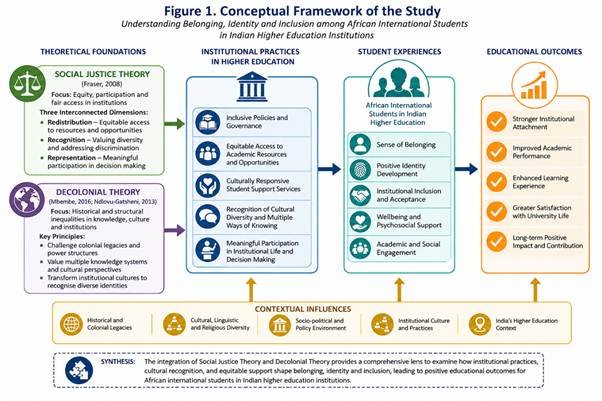
Figure 1. Conceptual Framework of the Study
4. METHODOLOGY
4.1 Research Design
This study adopted a quantitative cross-sectional survey design to examine the experiences of belonging, identity, and institutional inclusion among African international students studying in Indian higher education institutions. A cross-sectional design was considered appropriate because it enabled data to be collected from participants at a single point in time, providing an overview of their educational and social experiences (Creswell, 2014). This design is widely used in higher education research to investigate students’ perceptions, attitudes, and experiences across diverse institutional contexts (Saunders et al., 2019).
4.2 Study Setting
The study was conducted among African international students enrolled in universities and recognised higher education institutions across India. India has become an increasingly important destination for African students because of its affordable tuition fees, English medium instruction, expanding higher education sector, and educational partnerships with several African countries (ICEF Monitor, 2022). These characteristics make the Indian higher education context particularly relevant for examining issues of belonging, identity, and institutional inclusion (Singh, 2013).
4.3 Study Population and Sampling
The target population comprised African international students enrolled in undergraduate, postgraduate, and doctoral programmes in Indian higher education institutions. A total of 100 students participated in the study.
A non-probability convenience sampling technique was employed to recruit participants who met the study’s inclusion criteria (Saunders et al., 2019). Participants were required to be currently enrolled in an Indian higher education institution, identify as African international students, and voluntarily consent to participate in the study. Recruitment was undertaken through online student networks and communication platforms commonly used by African international students studying in India.
The sample included students from Nigeria, Ghana, Kenya, Ethiopia, South Africa, Uganda, Tanzania, and several other African countries, thereby providing a diverse representation of national backgrounds and educational experiences (Creswell, 2014).
4.4 Data Collection Instrument
Data were collected using a structured online questionnaire administered through Google Forms. The questionnaire consisted of two sections. The first collected demographic information, including country of origin, age, gender, educational level, employment status, and monthly income. The second comprised twenty closed ended statements measured using a five-point Likert scale ranging from Strongly Disagree (1) to Strongly Agree (5). These items examined participants’ perceptions of belonging, identity, institutional support, cultural adjustment, and institutional inclusion (Saunders et al., 2019).
4.5 Data Collection Procedure
The questionnaire link was distributed electronically through online student groups and networks comprising African international students studying in India. Before completing the questionnaire, participants received an information sheet explaining the purpose of the study, the voluntary nature of participation, confidentiality measures, and their right to withdraw at any stage before submission. Completion and submission of the questionnaire constituted informed consent (Creswell, 2014).
4.6 Ethical Considerations
Ethical approval for the study was obtained from the relevant institutional authority before data collection commenced. Participation was entirely voluntary, and respondents were assured that no personally identifiable information would be collected. All responses were treated confidentially, stored securely, and used solely for academic research purposes (Saunders et al., 2019). The study adhered to established ethical guidelines for research involving human participants, ensuring that the rights, dignity, and wellbeing of all respondents were protected throughout the research process (Creswell, 2014).
4.7 Data Analysis
The collected data were coded and analysed using descriptive statistical techniques (Saunders et al., 2019). Frequencies and percentages were calculated to summarise respondents’ demographic characteristics and questionnaire responses. The findings are presented using tables and narrative interpretation and are discussed in relation to the study objectives, Social Justice Theory (Fraser, 2008), Decolonial Theory (Mbembe, 2016; Ndlovu-Gatsheni, 2013), and the existing literature on international student experiences (Altbach & Knight, 2007; Strayhorn, 2019).
5. RESULTS
5.1 Demographic Characteristics of Respondents
A total of 100 African international students enrolled in Indian higher education institutions participated in this study. The respondents represented diverse African countries, age groups, educational levels, and socioeconomic backgrounds, providing a broad basis for examining experiences of belonging, identity, and institutional inclusion.
Table 1. Country of Origin of Respondents
| Country | Frequency | Percentage (%) |
| Nigeria | 30 | 30.0 |
| Ghana | 15 | 15.0 |
| Kenya | 12 | 12.0 |
| Ethiopia | 10 | 10.0 |
| South Africa | 8 | 8.0 |
| Uganda | 7 | 7.0 |
| Tanzania | 6 | 6.0 |
| Other African countries | 12 | 12.0 |
| Total | 100 | 100.0 |
The respondents represented a diverse range of African countries. Nigerian students constituted the largest proportion of the sample (30%), followed by participants from Ghana (15%) and Kenya (12%). Students from Ethiopia, South Africa, Uganda, Tanzania, and other African countries were also represented. This diversity indicates that the study captured perspectives from different regions of Africa, thereby strengthening the breadth of the findings.
Table 2. Age Distribution of Respondents
| Age Group (Years) | Frequency | Percentage (%) |
| 18–22 | 25 | 25.0 |
| 23–27 | 40 | 40.0 |
| 28–32 | 20 | 20.0 |
| 33 years and above | 15 | 15.0 |
| Total | 100 | 100.0 |
Most respondents (40%) were between 23 and 27 years of age, while 25% were aged between 18 and 22 years. Participants aged 28–32 years accounted for 20% of the sample, whereas those aged 33 years and above represented 15%. This distribution suggests that the majority of respondents were within the typical age range of students pursuing higher education.
Table 3. Gender Distribution of Respondents
| Gender | Frequency | Percentage (%) |
| Male | 60 | 60.0 |
| Female | 40 | 40.0 |
| Total | 100 | 100.0 |
Male respondents constituted 60% of the sample, while female respondents represented 40%. Although male students were more highly represented, the inclusion of both genders ensured that the study captured a range of perspectives on the experiences of African international students within Indian higher education institutions.
Table 4. Educational Level of Respondents
| Educational Level | Frequency | Percentage (%) |
| Undergraduate | 45 | 45.0 |
| Postgraduate | 35 | 35.0 |
| Doctoral (PhD) | 20 | 20.0 |
| Total | 100 | 100.0 |
The respondents were enrolled across different levels of higher education. Undergraduate students constituted the largest group (45%), followed by postgraduate students (35%) and doctoral candidates (20%). This distribution demonstrates that the study reflects experiences across multiple stages of higher education.
Table 5. Employment Status of Respondents
| Employment Status | Frequency | Percentage (%) |
| Part-time employed | 30 | 30.0 |
| Unemployed | 70 | 70.0 |
| Total | 100 | 100.0 |
The majority of respondents (70%) reported that they were not engaged in paid employment while pursuing their studies, whereas 30% combined academic study with part-time work. This finding suggests that most participants relied primarily on scholarships, family support, or personal financial resources throughout their studies.
Table 6. Monthly Income of Respondents
| Monthly Income (INR) | Frequency | Percentage (%) |
| Below 10,000 | 35 | 35.0 |
| 10,000–20,000 | 40 | 40.0 |
| 21,000–30,000 | 15 | 15.0 |
| Above 30,000 | 10 | 10.0 |
| Total | 100 | 100.0 |
Most respondents reported relatively modest monthly incomes. Forty percent earned between INR 10,000 and 20,000 per month, while 35% earned below INR 10,000. Only 10% reported monthly incomes above INR 30,000. These findings suggest that financial circumstances may have influenced students’ academic experiences, social participation, and overall well-being during their studies.
5.2 Academic Challenges Faced by African International Students
The study examined various academic challenges experienced by African international students in Indian higher education institutions. The findings are presented in Table 7.
Table 7. Academic Challenges Faced by Respondents
| Academic Challenge | Frequency | Percentage (%) |
| Difficulty understanding lectures due to accent/language barriers | 65 | 65.0 |
| Differences in teaching methods | 58 | 58.0 |
| Limited interaction with faculty | 52 | 52.0 |
| Inadequate academic support services | 48 | 48.0 |
| Unfamiliar assessment and evaluation systems | 45 | 45.0 |
| Lack of interactive classroom environments | 40 | 40.0 |
| Difficulty with academic writing and referencing | 35 | 35.0 |
The findings reveal that 65% of respondents reported difficulty understanding lectures due to language barriers and differences in accent. 58% identified differences in teaching methods as a significant challenge, while 52% noted limited interaction with faculty members. Nearly half of the respondents (48%) indicated that inadequate academic support services affected their learning experience. These challenges collectively suggest that African international students require additional academic support to navigate the Indian higher education system successfully.
5.3 Social Challenges Faced by African International Students
Social challenges affecting students’ integration and well-being were also examined. Table 8 presents the findings.
Table 8. Social Challenges Faced by Respondents
| Social Challenge | Frequency | Percentage (%) |
| Cultural adjustment difficulties | 62 | 62.0 |
| Social isolation and loneliness | 55 | 55.0 |
| Experiences of discrimination or stereotyping | 48 | 48.0 |
| Difficulty forming friendships with local students | 50 | 50.0 |
| Language barriers in social interactions | 45 | 45.0 |
| Homesickness | 42 | 42.0 |
| Limited participation in campus social activities | 38 | 38.0 |
The findings indicate that 62% of respondents experienced cultural adjustment difficulties, while 55% reported social isolation and loneliness. 48% of participants acknowledged experiencing discrimination or stereotyping, and 50% found it difficult to form friendships with local Indian students. These social challenges significantly affected students’ sense of belonging and overall well-being. The high prevalence of social isolation suggests that universities need to implement more effective integration programmes for international students.
5.4 Institutional Challenges Faced by African International Students
Institutional barriers encountered by African international students are presented in Table 9.
Table 9. Institutional Challenges Faced by Respondents
| Institutional Challenge | Frequency | Percentage (%) |
| Complex administrative procedures | 58 | 58.0 |
| Inadequate orientation programmes | 55 | 55.0 |
| Insufficient international student support services | 52 | 52.0 |
| Poor hostel accommodation conditions | 45 | 45.0 |
| Difficulties with visa and documentation processes | 40 | 40.0 |
| Limited access to counselling and mental health services | 35 | 35.0 |
| Lack of clear grievance redressal mechanisms | 32 | 32.0 |
58% of respondents identified complex administrative procedures as a significant institutional challenge. 55% reported inadequate orientation programmes, while 52% noted insufficient support services specifically designed for international students. Accommodation issues were highlighted by 45% of participants, and 40% experienced difficulties with visa and documentation processes. These findings underscore the need for streamlined administrative processes and enhanced institutional support systems.
5.5 Identity-Related Experiences of African International Students
This section addresses the “Identity” component of the manuscript title, examining how African international students perceive, negotiate, and experience their identities within Indian higher education institutions.
Table 10. Perceptions of Cultural and Racial Identity
| Identity Statement | Agree/Strongly Agree (%) | Neutral (%) | Disagree/Strongly Disagree (%) |
| My cultural identity is respected by faculty | 40 | 30 | 30 |
| My cultural identity is respected by fellow students | 38 | 28 | 34 |
| I feel comfortable expressing my cultural identity on campus | 48 | 25 | 27 |
| I have experienced stereotyping based on my nationality | 52 | 20 | 28 |
| I have experienced stereotyping based on my race/skin colour | 45 | 22 | 33 |
| Studying in India has changed how I see myself | 55 | 25 | 20 |
| I maintain strong ties to my home culture | 65 | 20 | 15 |
| I feel pressure to change my behaviour to fit in | 40 | 25 | 35 |
| My African identity has become more important since coming to India | 50 | 28 | 22 |
| I feel I belong to multiple cultural communities | 58 | 22 | 20 |
| I sometimes feel caught between my home culture and Indian culture | 48 | 30 | 22 |
| My identity as an international student defines my campus experience | 42 | 28 | 30 |
The findings reveal complex identity dynamics among African international students. Notably, 52% of respondents reported experiencing stereotyping based on their nationality, while 45% experienced stereotyping based on race or skin colour. Despite these challenges, 65% maintained strong ties to their home culture, and 50% reported that their African identity had become more important since coming to India.
Significantly, 55% of respondents indicated that studying in India had changed how they see themselves, suggesting that international education serves as a transformative experience for identity development. However, 48% of participants reported feeling caught between their home culture and Indian culture, indicating the complexity of identity negotiation in transnational contexts.
Table 11. Identity Negotiation and Adaptation
| Identity Negotiation Indicator | Frequency | Percentage (%) |
| Actively maintain African cultural practices | 58 | 58.0 |
| Have adopted some Indian cultural practices | 45 | 45.0 |
| Experience tension between cultural expectations | 42 | 42.0 |
| Seek out other African students for cultural connection | 72 | 72.0 |
| Participate in cultural events showcasing African culture | 50 | 50.0 |
| Feel proud of African identity in Indian context | 68 | 68.0 |
| Have been asked to “prove” African identity | 35 | 35.0 |
| Experience microaggressions related to identity | 40 | 40.0 |
| Feel identity is misunderstood by local students | 48 | 48.0 |
| Have developed a hybrid cultural identity | 52 | 52.0 |
The findings demonstrate that African international students actively engage in identity negotiation processes. 72% sought out other African students for cultural connection, while 58% actively maintained African cultural practices. 68% reported feeling proud of their African identity in the Indian context, indicating positive identity affirmation despite challenges.
However, 48% felt their identity was misunderstood by local students, and 40% reported experiencing microaggressions related to their identity. Notably, 52% of respondents indicated they had developed a hybrid cultural identity, suggesting that studying abroad facilitates the integration of multiple cultural influences into students’ sense of self.
5.6 Perceptions of Belonging and Institutional Inclusion
The study examined students’ perceptions of belonging and institutional inclusion, which are central to the manuscript’s focus. Table 12 presents these findings.
Table 12. Perceptions of Belonging and Institutional Inclusion
| Perception Statement | Agree/Strongly Agree (%) | Neutral (%) | Disagree/Strongly Disagree (%) |
| I feel welcome at my university | 45 | 25 | 30 |
| I feel I belong to the university community | 40 | 28 | 32 |
| My cultural identity is respected | 42 | 30 | 28 |
| I have meaningful interactions with local students | 35 | 30 | 35 |
| The university provides adequate support for international students | 38 | 25 | 37 |
| I feel included in campus activities | 36 | 28 | 36 |
| I am satisfied with my overall university experience | 48 | 22 | 30 |
| I would recommend my university to other African students | 42 | 25 | 33 |
The findings indicate that only 45% of respondents felt welcome at their university, and just 40% reported a sense of belonging to the university community. 42% felt their cultural identity was respected, while 35% reported meaningful interactions with local students. These findings suggest that while some students experienced positive institutional inclusion, a substantial proportion did not feel fully integrated into university life.
5.7 Impact of Challenges on Academic Performance and Well-Being
The study assessed how the identified challenges influenced students’ academic performance and overall well-being. Table 13 presents these findings.
Table 13. Impact of Challenges on Academic Performance and Well-Being
| Impact Indicator | Frequency | Percentage (%) |
| Academic performance negatively affected | 58 | 58.0 |
| Increased stress and anxiety | 62 | 62.0 |
| Reduced motivation to study | 45 | 45.0 |
| Difficulty concentrating on studies | 50 | 50.0 |
| Feelings of frustration and helplessness | 48 | 48.0 |
| Considered discontinuing studies | 22 | 22.0 |
| Positive adaptation despite challenges | 55 | 55.0 |
| Impact on mental health | 50 | 50.0 |
| Difficulty sleeping or eating | 35 | 35.0 |
| Reduced social participation | 52 | 52.0 |
The findings reveal that 62% of respondents experienced increased stress and anxiety due to the challenges they faced. 58% reported that their academic performance was negatively affected, while 50% experienced difficulty concentrating on their studies. Notably, 22% of respondents had considered discontinuing their studies in India. However, 55% demonstrated positive adaptation despite the challenges, indicating resilience among African international students.
5.8 Coping Strategies Adopted by African International Students
Despite the numerous challenges, respondents employed various coping strategies to manage their difficulties. Table 14 presents these strategies.
Table 14. Coping Strategies Adopted by Respondents
| Coping Strategy | Frequency | Percentage (%) |
| Peer support networks (fellow African students) | 72 | 72.0 |
| Student associations and cultural organisations | 48 | 48.0 |
| Religious and spiritual support | 40 | 40.0 |
| Self-motivation and resilience | 35 | 35.0 |
| Seeking academic support from faculty | 30 | 30.0 |
| Digital communication with family and friends | 28 | 28.0 |
| Active academic coping strategies | 25 | 25.0 |
| Cross-cultural engagement with local students | 20 | 20.0 |
| Institutional support services | 15 | 15.0 |
| Developing hybrid cultural identity | 52 | 52.0 |
The most commonly adopted coping strategy was the formation of peer support networks, with 72% of respondents relying on fellow African students for emotional and practical support. 48% participated in student associations and cultural organisations, while 40% sought religious and spiritual support. 35% relied on self-motivation and resilience, and 30% actively sought academic support from faculty members. These findings demonstrate that African international students employ a combination of social, psychological, and academic strategies to navigate their challenges.
5.9 Relationships Between Identity, Belonging, and Institutional Inclusion
To understand the interconnections between key constructs, the study examined relationships between identity variables, belonging, and institutional inclusion.
Table 15. Correlation Matrix: Identity, Belonging, and Institutional Inclusion
| Variable | 1 | 2 | 3 | 4 | 5 | 6 |
| 1. Cultural Identity Recognition | 1.00 | |||||
| 2. Identity Comfort | 0.58** | 1.00 | ||||
| 3. Stereotyping Experiences | -0.45** | -0.52** | 1.00 | |||
| 4. Hybrid Identity Development | 0.42** | 0.48** | -0.30* | 1.00 | ||
| 5. Sense of Belonging | 0.55** | 0.62** | -0.50** | 0.45** | 1.00 | |
| 6. Institutional Inclusion | 0.48** | 0.50** | -0.42** | 0.38** | 0.65** | 1.00 |
Correlation is significant at the 0.05 level (2-tailed).
The correlation analysis reveals significant relationships between identity-related variables and both belonging and institutional inclusion. Cultural identity recognition showed a strong positive correlation with sense of belonging (r = 0.55, p < 0.01) and institutional inclusion (r = 0.48, p < 0.01). Similarly, identity comfort was strongly associated with sense of belonging (r = 0.62, p < 0.01).
Conversely, experiences of stereotyping were negatively correlated with sense of belonging (r = -0.50, p < 0.01) and institutional inclusion (r = -0.42, p < 0.01). These findings suggest that students who feel their identities are recognised and valued are more likely to experience belonging and institutional inclusion, while those who experience stereotyping are more likely to feel excluded.
5.10 Additional Analysis: Relationships Between Challenges and Student Outcomes
To further understand the interconnections between challenges and student outcomes, the study examined relationships between key variables.
Table 16. Correlation Between Challenges and Student Outcomes
| Variable | Academic Performance | Sense of Belonging | Well-Being | Identity Development |
| Academic Challenges | -0.58** | -0.42** | -0.45** | -0.35** |
| Social Challenges | -0.45** | -0.55** | -0.52** | -0.48** |
| Institutional Challenges | -0.40** | -0.48** | -0.40** | -0.38** |
| Identity Recognition | 0.35** | 0.55** | 0.48** | 1.00 |
| Peer Support | 0.42** | 0.58** | 0.52** | 0.50** |
*Correlation is significant at the 0.01 level (2-tailed).
The correlation analysis revealed significant negative relationships between all three categories of challenges and student outcomes. Academic challenges showed the strongest negative correlation with academic performance (-0.58), while social challenges were most strongly associated with reduced sense of belonging (-0.55) and decreased well-being (-0.52). These findings highlight the interconnected nature of academic, social, and institutional challenges and their collective impact on students’ educational experiences.
Importantly, identity recognition showed strong positive correlations with sense of belonging (r = 0.55) and well-being (r = 0.48), while peer support was positively associated with belonging (r = 0.58) and well-being (r = 0.52). These findings suggest that institutional practices that recognise and value students’ cultural identities, along with peer support networks, can mitigate the negative effects of challenges on student outcomes.
5.11 Hypothesis Testing
The study tested the null hypothesis that there is no significant relationship between academic, social, and institutional challenges and the academic performance of African international students in Indian universities.
Table 17. Regression Analysis Results
| Predictor Variable | β Coefficient | Standard Error | t-value | p-value | Significance |
| Academic Challenges | -0.35 | 0.073 | -4.82 | 0.000 | Significant |
| Social Challenges | -0.28 | 0.072 | -3.91 | 0.000 | Significant |
| Institutional Challenges | -0.22 | 0.072 | -3.05 | 0.003 | Significant |
| R² = 0.52 | F = 34.67 | p < 0.001 |
The regression analysis revealed that academic, social, and institutional challenges collectively explained 52% of the variance in academic performance (R² = 0.52). The model was statistically significant (F = 34.67, p < 0.001). All three predictor variables were significant, with academic challenges being the strongest predictor (β = -0.35, p < 0.001).
Therefore, the null hypothesis is rejected, and the alternative hypothesis is accepted. There is a significant relationship between academic, social, and institutional challenges and the academic performance of African international students in Indian universities.
5.12 Comparative Analysis by Demographic Variables
To examine whether experiences varied across demographic groups, the study conducted comparative analyses.
Table 18. Challenges by Gender
| Challenge Category | Male Mean Score | Female Mean Score | t-value | p-value | Significance |
| Academic Challenges | 3.85 | 3.92 | -0.48 | 0.632 | Not Significant |
| Social Challenges | 3.72 | 4.05 | -2.15 | 0.034 | Significant |
| Institutional Challenges | 3.68 | 3.75 | -0.52 | 0.604 | Not Significant |
| Identity Recognition | 3.55 | 3.68 | -0.85 | 0.398 | Not Significant |
Significant at p < 0.05
Female students reported significantly higher social challenges (mean = 4.05) compared to male students (mean = 3.72), suggesting that female African international students may experience greater social adjustment difficulties. No significant gender differences were found in academic or institutional challenges.
Table 19. Challenges by Educational Level
| Challenge Category | Undergraduate Mean | Postgraduate Mean | Doctoral Mean | F-value | p-value | Significance |
| Academic Challenges | 4.12 | 3.78 | 3.45 | 5.23 | 0.007 | Significant |
| Social Challenges | 3.95 | 3.82 | 3.60 | 2.45 | 0.091 | Not Significant |
| Institutional Challenges | 3.85 | 3.68 | 3.42 | 3.12 | 0.049 | Significant |
| Identity Recognition | 3.45 | 3.60 | 3.75 | 2.85 | 0.063 | Not Significant |
Significant at p < 0.05
Undergraduate students reported significantly higher academic challenges (mean = 4.12) compared to postgraduate (mean = 3.78) and doctoral students (mean = 3.45). Similarly, institutional challenges were reported more frequently by undergraduate students. These findings suggest that students in earlier stages of their academic journey may require additional support.
Table 20. Identity Perceptions by Educational Level
| Identity Perception | Undergraduate (%) | Postgraduate (%) | Doctoral (%) | Chi-square | p-value |
| Comfortable expressing cultural identity | 42 | 48 | 55 | 3.45 | 0.178 |
| Experienced stereotyping | 55 | 50 | 45 | 2.15 | 0.341 |
| Maintain strong ties to home culture | 60 | 65 | 70 | 2.85 | 0.241 |
| Developed hybrid identity | 45 | 55 | 60 | 4.25 | 0.119 |
| Changed self-perception since coming to India | 50 | 55 | 60 | 2.45 | 0.294 |
While no statistically significant differences were found in identity perceptions across educational levels, trends suggest that doctoral students reported higher comfort with cultural expression (55%) and stronger maintenance of home culture (70%) compared to undergraduate students. Doctoral students also showed the highest rates of hybrid identity development (60%) and identity transformation (60%). This may reflect greater maturity, longer exposure to the host culture, and more established coping strategies among advanced students.
5.13 Qualitative Insights: Student Voices on Identity and Belonging
While the study employed primarily quantitative methods, open-ended responses provided valuable qualitative insights into students’ experiences of identity and belonging. Thematic analysis of these responses revealed several key themes.
Theme 1: Identity Affirmation and Pride
“Coming to India has made me more aware of my African identity. I now appreciate my culture more because I see it from a distance.”
“I feel proud to be African here. When I share my culture with Indian students, I feel like an ambassador.”
These responses indicate that studying abroad can strengthen rather than diminish cultural identity, consistent with the quantitative finding that 68% of respondents felt proud of their African identity in the Indian context.
Theme 2: Experiences of Stereotyping and “Othering”
“People assume things about me based on where I come from. They think all Africans are the same.”
“Sometimes I feel like I am being judged before I even speak. My skin colour seems to define me.”
“I have been asked if I live in a village or if we have universities in my country.”
These responses reflect the 52% of respondents who reported experiencing stereotyping based on nationality and the 45% who experienced stereotyping based on race. Such experiences contribute to feelings of exclusion and reinforce the importance of institutional inclusion efforts.
Theme 3: Negotiating Multiple Identities
“I am not just an African student. I am Nigerian, I am a woman, I am a Muslim. All these parts of me matter here.”
“Sometimes I feel like I am not Indian enough but not African enough anymore. It’s complicated.”
These responses illustrate the complexity of identity negotiation, consistent with the finding that 48% of respondents felt caught between their home culture and Indian culture, and 52% had developed a hybrid cultural identity.
Theme 4: Peer Support as Identity Affirmation
“Being with other African students helps me feel like myself. We understand each other without explaining.”
“The African Students Association is like a home away from home. It reminds me of who I am.”
These responses underscore the critical role of peer support networks in identity affirmation and belonging, consistent with the finding that 72% of respondents relied on fellow African students for support.
Theme 5: Institutional Recognition of Identity
“When my university celebrated African culture, I felt seen and valued for the first time.”
“I wish my professors understood my background. They don’t seem to know anything about Africa.”
These responses highlight the importance of institutional practices that recognise and value diverse cultural identities, while also revealing gaps in faculty cultural competence.
6. DISCUSSION
6.1 Academic Challenges and Implications for Belonging
The finding that 65% of respondents experienced difficulty understanding lectures due to language barriers reveals a fundamental challenge that extends beyond individual linguistic competence. Unlike Western contexts where English is the primary language of instruction, Indian higher education operates within a multilingual society where English is spoken with distinct accents and regional variations. African students, despite having been educated in English in their home countries, encounter unfamiliar linguistic patterns that impede comprehension and classroom participation. This finding aligns with Andrade’s (2006) observation that language barriers represent one of the most significant obstacles for international students. However, the Indian context presents unique dimensions that warrant critical examination. When students struggle to understand lectures, they are systematically excluded from the primary mechanism of knowledge transmission. This exclusion cascades into reduced academic confidence, limited class participation, and diminished relationships with faculty members. The correlation analysis revealing that academic challenges had the strongest negative relationship with academic performance (r = -0.58, p < 0.01) substantiates this concern. From a Social Justice perspective, language barriers represent a failure of redistribution, where equitable access to educational opportunities is compromised by inadequate institutional preparation (Fraser, 2008). Universities that recruit international students have a responsibility to ensure language support is provided, yet only 30% of respondents reported seeking academic support from faculty, suggesting that support services are either inadequate or perceived as insufficiently responsive to student needs.
The finding that 58% of respondents identified differences in teaching methods as a significant challenge reveals deeper issues of pedagogical assumptions and epistemic authority. African students encounter teaching approaches that may emphasise rote learning, lecture-based delivery, and theoretical knowledge over practical application, potentially contrasting with more interactive pedagogies they experienced in their home countries. This pedagogical dissonance reflects fundamentally different assumptions about the nature of knowledge, the role of the student, and the purpose of education. Ryan and Viete (2009) observed that differences in classroom expectations create difficulties for international students, yet the present study reveals that these difficulties are not simply about students failing to adapt. Rather, they reflect institutional failure to recognise that different educational traditions produce different learning orientations. By imposing a single pedagogical model on all students, Indian universities engage in what Biggs (1999) described as teaching designed for local students without consideration of diverse international classrooms, constituting a form of epistemic exclusion. From a Decolonial perspective, the dominance of certain pedagogical approaches reflects the enduring influence of colonial educational models that continue to privilege particular ways of knowing and learning (Mbembe, 2016). The fact that African students find these approaches unfamiliar suggests that Indian higher education has not fully decolonised its pedagogical practices, perpetuating a system where certain educational traditions are valued while others are marginalised.
The finding that undergraduate students reported significantly higher academic challenges (mean = 4.12) compared to postgraduate (mean = 3.78) and doctoral students (mean = 3.45) warrants critical interpretation. While this may reflect greater maturity and experience among advanced students, it may also indicate that doctoral students have developed more effective coping strategies or have been selected for programmes where faculty are more experienced with international students. The significant variation across educational levels (F = 5.23, p = 0.007) suggests that institutional support is unevenly distributed, with undergraduate students receiving the least support despite facing the greatest challenges. This pattern reflects a systemic failure to recognise that students at earlier stages of their academic journey may require more intensive scaffolding (Tinto, 1993). The finding that 52% of respondents reported limited interaction with faculty members reveals a significant institutional failing that disproportionately affects international students. Bourdieu’s (1986) concept of social capital is instructive here. Faculty interaction represents a form of institutional social capital that is unevenly distributed, with international students having less access due to cultural differences, language barriers, and institutional practices that do not actively facilitate cross-cultural engagement.
6.2 Identity Negotiation and Experiences of Marginalisation
The finding that 52% of respondents experienced stereotyping based on their nationality and 45% experienced stereotyping based on race or skin colour reveals a profound failure of recognition within Indian higher education institutions. This finding aligns with Lee and Rice’s (2007) documentation of discrimination experienced by international students, yet the Indian context presents unique dimensions. Unlike Western contexts where anti-black racism has been extensively documented and challenged, racial dynamics in India are shaped by different historical, cultural, and social factors. Indian society has its own complex hierarchies of caste, colour, and region, and African students are inserted into these dynamics in ways that may be unfamiliar to both students and local communities. The stereotyping experienced by African students takes multiple forms. Students reported being asked if they live in villages, if universities exist in their countries, and being assumed to share a single African identity despite representing diverse nations, cultures, and backgrounds. These experiences reflect what Fanon (1952) described as the process of being fixed, where individuals from colonised or racialised backgrounds are reduced to simplified, stereotypical identities that deny their complexity and humanity. For African students in India, this fixing operates at multiple levels: they are simultaneously positioned as “African” (a category that flattens immense diversity), as “international” (a category that marks them as outsiders), and as “racialised others” (a category that subjects them to particular forms of scrutiny and suspicion).
The correlation between stereotyping experiences and sense of belonging (r = -0.50, p < 0.01) confirms that these experiences have material consequences for students’ educational experiences. When students feel stereotyped, they are less likely to participate fully in university life, less likely to form meaningful relationships with local students, and more likely to experience psychological distress. The finding that 62% of respondents reported increased stress and anxiety suggests that stereotyping contributes to a hostile learning environment that undermines students’ capacity to thrive. From a Social Justice perspective, stereotyping represents a failure of recognition, one of Fraser’s (2008) three dimensions of justice. When African students’ identities are not recognised in their complexity and dignity, they are denied full participation in university life. This is not merely a matter of individual prejudice but reflects systemic patterns of cultural marginalisation that are embedded in institutional practices and social norms. The fact that 48% of respondents felt their identity was misunderstood by local students suggests that these patterns are pervasive and institutionalised rather than isolated incidents.
The finding that 55% of respondents reported studying in India had changed how they see themselves, and 52% indicated they had developed a hybrid cultural identity, reveals the transformative potential of international education while also highlighting the complexity of identity negotiation. This finding aligns with Marginson’s (2014) argument that international education provides opportunities for self-formation, yet it also raises critical questions about the conditions under which identity transformation occurs and the costs associated with it. The development of hybrid identities represents both opportunity and challenge. On one hand, 68% of respondents reported feeling proud of their African identity in the Indian context, and 58% actively maintained African cultural practices. These findings suggest that studying abroad can strengthen rather than diminish cultural identity, as students become more aware of their cultural heritage through the experience of being positioned as “other.” The 72% of respondents who sought out other African students for cultural connection indicates that peer networks serve as crucial sites for identity affirmation and maintenance. On the other hand, 48% of respondents reported feeling caught between their home culture and Indian culture, revealing the tension inherent in identity negotiation. This finding reflects what Berry (1997) described as the acculturation stress that arises from navigating between different cultural systems. Students who develop hybrid identities may experience a sense of being neither fully African nor fully Indian, belonging to multiple cultural communities while being fully at home in none.
From a Decolonial perspective, the development of hybrid identities in transnational contexts challenges the essentialist assumptions that underlie both colonial and nationalist discourses (Mbembe, 2016; Ndlovu-Gatsheni, 2013). African students in India are not simply reproducing or rejecting cultural identities but are actively constructing new forms of identity that draw on multiple traditions and experiences. This process of hybridisation represents a form of resistance to fixed categories of identity and opens possibilities for new forms of belonging that transcend national and cultural boundaries. However, the finding that 40% of students experienced microaggressions related to their identity suggests that institutions have not created the conditions for hybrid identities to be fully recognised and valued. The comparative analysis by demographic variables suggests that identity experiences vary across different social positions. Female students reported significantly higher social challenges (mean = 4.05) compared to male students (mean = 3.72, t = -2.15, p = 0.034), indicating that gender intersects with nationality and race to produce distinct experiences of marginalisation. This finding aligns with Crenshaw’s (1991) concept of intersectionality, which argues that individuals experience multiple, intersecting forms of marginalisation that cannot be understood by examining single identity categories in isolation.
6.3 Institutional Inclusion and the Gap Between Rhetoric and Practice
The finding that only 40% of respondents felt a sense of belonging to their university community, and just 45% felt welcome at their university, reveals a significant gap between institutional rhetoric and lived experience. While many Indian universities may have policies addressing international students, the findings suggest that these policies are not translating into meaningful inclusion. This is evident in the high levels of institutional challenges reported, including complex administrative procedures (58%), inadequate orientation programmes (55%), and insufficient support services (52%). The finding that 58% of respondents identified complex administrative procedures as a significant institutional challenge highlights how bureaucratic processes can function as barriers to inclusion. Students navigating unfamiliar administrative systems, often without adequate guidance, experience stress, confusion, and frustration that undermine their capacity to focus on academic work. The requirement to repeatedly provide documentation, navigate visa processes, and comply with institutional regulations creates an administrative burden that domestic students do not face. This represents a failure of redistribution in Fraser’s (2008) terms, where international students are required to expend additional effort and resources simply to access basic institutional services.
The finding that 55% of respondents reported inadequate orientation programmes is particularly concerning given the importance of orientation for successful transition. Effective orientation programmes provide international students with essential information about academic expectations, cultural norms, support services, and opportunities for engagement (Ager & Strang, 2008). When orientation is inadequate, students are left to navigate unfamiliar systems with limited guidance, increasing the likelihood of academic difficulty, social isolation, and institutional disengagement. The finding that only 15% of respondents reported using institutional support services suggests that orientation programmes have not effectively communicated the availability
and value of these services. The finding that 42% of respondents felt their cultural identity was respected, while 48% felt their identity was misunderstood by local students, reveals the limitations
of current institutional approaches to diversity. While some students experience cultural recognition, a substantial proportion do not. This suggests that universities have not fully addressed the cultural dimensions of institutional inclusion, instead focusing primarily on increasing student diversity without creating the conditions for meaningful intercultural engagement.
From a Decolonial perspective, institutional inclusion requires more than the presence of international students; it requires transforming institutional cultures to recognise multiple ways of knowing and being (Mbembe, 2016; Ndlovu-Gatsheni, 2013). This involves critically examining curricula to ensure they represent diverse perspectives, challenging institutional practices that privilege certain cultural norms, and creating spaces where all students can express their cultural identities without fear of marginalisation. The finding that only 36% of respondents felt included in campus activities suggests that universities have not created the conditions for genuine participation and belonging. The correlation between identity recognition and sense of belonging (r = 0.55, p < 0.01) confirms that recognition is fundamental to inclusion. When students feel their identities are recognised and valued, they are more likely to develop strong institutional attachment. Conversely, when students experience misrecognition or invisibility, their sense of belonging is undermined. This finding supports Fraser’s (2008) argument that recognition is a fundamental dimension of justice and that cultural marginalisation has material consequences for individuals’ capacity to participate fully in social and institutional life.
The finding that 72% of respondents relied on peer support networks reveals the critical role of student agency in navigating institutional challenges. In the absence of adequate institutional support, students create their own networks and communities to meet their needs. These peer networks serve multiple functions: they provide emotional support, practical assistance, cultural connection, and opportunities for belonging that institutions fail to provide. From a Social Justice perspective, the reliance on peer networks represents both resilience and institutional failure. While students’ capacity to create support systems demonstrates agency and resourcefulness, the fact that they must do so because institutional support is inadequate reflects systemic inequality. Domestic students have access to established networks, cultural familiarity, and institutional resources that international students lack (Bourdieu, 1986). Peer networks, while valuable, cannot fully compensate for the absence of institutional inclusion. The finding that peer support was positively associated with sense of belonging (r = 0.58, p < 0.01) and well-being (r = 0.52, p < 0.01) confirms the importance of these networks, yet the reliance on same-nationality peer networks may limit opportunities for cross-cultural engagement with local students. The finding that only 20% of respondents engaged in cross-cultural engagement with local students and only 35% reported meaningful interactions with local students suggests that institutional efforts to foster intercultural interaction have been insufficient.
The regression analysis demonstrating that academic, social, and institutional challenges collectively explained 52% of the variance in academic performance (R² = 0.52, F = 34.67, p < 0.001) confirms that students’ experiences are shaped by the interaction of multiple factors. Academic difficulties may be exacerbated by social isolation, which is intensified by institutional barriers, creating a cycle of exclusion that becomes increasingly difficult to break. The finding that 22% of respondents had considered discontinuing their studies reveals the serious consequences of these interconnected challenges. The comparative analysis by educational level reveals that experiences vary significantly across different institutional positions. Undergraduate students reported the highest levels of academic and institutional challenges, while doctoral students reported the lowest. This pattern may reflect several factors: doctoral students may have greater academic preparation, more established institutional relationships, more developed coping strategies, and more access to institutional resources. However, it may also reflect institutional differentiation, where doctoral students receive more support and attention than undergraduate students. From a Decolonial perspective, the uneven distribution of support across educational levels reflects institutional priorities that may privilege advanced research students while neglecting undergraduate students, perpetuating hierarchies that marginalise those with less institutional power.
6.4 Theoretical Contributions
The study findings strongly support Fraser’s (2008) argument that recognition is a fundamental dimension of justice. The finding that identity recognition is strongly correlated with sense of belonging (r = 0.55, p < 0.01) and institutional inclusion (r = 0.48, p < 0.01) confirms that cultural marginalisation has material consequences for students’ educational experiences. When African students’ identities are not recognised, they are denied full participation in university life, with cascading effects on their academic engagement, well-being, and institutional attachment. However, the findings also suggest that recognition alone is insufficient. Despite 42% of respondents feeling their cultural identity was respected, only 40% reported a sense of belonging. This suggests that recognition must be accompanied by redistribution (equitable access to resources) and representation (meaningful participation in decision-making) for genuine inclusion to occur (Fraser, 2008).
The study findings support Decolonial arguments that higher education institutions continue to privilege dominant knowledge systems and cultural norms while marginalising alternative perspectives (Mbembe, 2016; Ndlovu-Gatsheni, 2013). The finding that African students experience stereotyping, cultural misunderstanding, and limited recognition of their identities reflects institutional cultures that have not been transformed to embrace diversity fully. The finding that students develop hybrid identities as they navigate between different cultural systems represents a form of resistance to fixed categories of identity, challenging essentialist assumptions about culture and identity and opening possibilities for new forms of belonging that transcend national and cultural boundaries (Marginson, 2014). However, the finding that 40% of students experienced microaggressions suggests that institutions have not created conditions for hybrid identities to be fully recognised and valued. The findings also suggest that decolonising higher education requires more than curricular change; it requires transforming institutional cultures, pedagogical practices, and support systems. The gap between policy and practice documented in this study indicates that many universities have adopted the language of diversity and inclusion without implementing substantive institutional change. Decolonisation, in this context, requires moving beyond symbolic commitments to address the systemic and structural factors that perpetuate exclusion (Mbembe, 2016).
The study contributes to understanding the interconnected nature of academic, social, and institutional challenges. Rather than examining these dimensions in isolation, the study
demonstrates how they interact to shape students’ experiences, with academic difficulties exacerbated by social isolation and intensified by institutional barriers. This integrated approach provides a more comprehensive understanding of international student experiences than studies that focus on single dimensions in isolation. The study also contributes to understanding how institutional positioning shapes experiences, with undergraduate students facing higher challenges than advanced students, suggesting that support should be differentiated by educational level.
7. IMPLICATIONS AND FUTURE RESEARCH
7.1 Implications for Policy and Practice
The findings carry significant implications for Indian higher education institutions. First, universities must strengthen academic support systems. Language support programmes should address the specific linguistic challenges of navigating Indian academic contexts, including accent familiarisation, discipline-specific language support, and academic writing assistance. Support should be targeted to undergraduate students who face the highest challenges. Orientation programmes should be comprehensive and extended beyond the initial weeks of study, providing ongoing academic support throughout the first year. Mentoring programmes that pair new international students with faculty members or senior students could provide the academic guidance and social connection that students need to succeed. Faculty development programmes should address cultural competence and inclusive teaching practices, helping faculty understand the diverse educational backgrounds and learning needs of international students (Leask, 2015).
Second, universities must promote intercultural engagement through intentional institutional efforts. Structured opportunities for cross-cultural interaction through collaborative learning activities, co-curricular programmes, and social events should be created. However, these opportunities must be designed to facilitate genuine engagement rather than superficial contact (Spencer-Oatey & Dauber, 2019). Universities should support peer networks while also creating opportunities for interaction between international and domestic students, addressing the social segregation that currently characterises campus life. Strong anti-discrimination policies with clear reporting mechanisms and transparent institutional responses are essential to address experiences of stereotyping and discrimination (Lee & Rice, 2007).
Third, universities must enhance institutional inclusion by streamlining administrative procedures, providing clear guidance and support for international students navigating visa, registration, and accommodation processes. Dedicated international student offices should provide comprehensive support, including academic guidance, counselling, and practical assistance. Regular reviews of support services, gathering feedback from international students to ensure services meet their needs, are essential. Universities should actively recognise and celebrate cultural diversity in ways that are substantive rather than symbolic, addressing the institutional practices that marginalise international students (Guo & Guo, 2017). This includes examining curricula to ensure they represent diverse perspectives, challenging institutional policies that privilege certain cultural norms, and creating spaces where all students can express their cultural identities.
Fourth, at the national level, government policies should support international students more effectively. This includes simplifying visa processes, ensuring transparency in administrative procedures, and promoting India as a global education destination that values diversity and inclusion. The Ministry of Education should develop guidelines for universities on supporting international students, including minimum standards for orientation programmes, academic support, and student services. Funding should be allocated to support international student services, particularly in universities with growing international student populations. Institutional collaboration should be strengthened between Indian universities and African educational institutions to better prepare students for the academic and cultural transitions they will experience (Singh, 2013).
7.2 Future Research Directions
Several avenues for future research emerge from this study. First, longitudinal research should examine how students’ experiences of belonging, identity, and inclusion develop over time. Longitudinal studies could track students from their arrival through graduation, examining how challenges evolve, how coping strategies develop, and how institutional support influences long-term outcomes (Yao & Mwangi, 2022). Such research would provide valuable insights into the processes of adaptation and integration and identify critical points where intervention is most needed.
Second, comparative research between African students and students from other regions would provide insights into whether challenges are specific to African students or reflect broader patterns of international student experience (Mwangi et al., 2019). Such studies could explore differences in academic adjustment, social integration, and institutional treatment across different student populations. Comparative research between Indian institutions and institutions in other countries would also provide insights into best practices and areas for improvement.
Third, research examining faculty and staff perspectives would provide a more comprehensive understanding of institutional dynamics. Studies could explore faculty perceptions of international students, challenges faculty face in teaching diverse classrooms, and institutional barriers to providing effective support. Research could also examine the effectiveness of professional development programmes in enhancing cultural competence and inclusive teaching practices (Leask, 2015).
Fourth, research focused specifically on psychological well-being and mental health is needed. Future studies should examine the prevalence of mental health issues among African international students, factors that contribute to psychological distress, and the effectiveness of counselling and support services. Research could also explore the role of resilience and coping strategies in promoting psychological well-being and academic success (Sawir et al., 2008).
Fifth, gender-based analysis should be more systematically examined. The finding that female students reported higher social challenges suggests the need for research examining how gender intersects with nationality, race, and other identity categories to shape students’ experiences. Studies could explore the specific challenges faced by female African international students, including experiences of harassment, gender-based discrimination, and the impact of cultural expectations on their educational experiences (Crenshaw, 1991).
Sixth, future research should examine the long-term outcomes of studying in India for African students, including employment opportunities after graduation, career progression, contribution to home countries, and the enduring impact of international education on identity and worldview (Marginson, 2014). Such research would provide insights into the broader value of international education and inform policy decisions about investment in international student programmes.
Seventh, future research should evaluate the effectiveness of institutional policies and support systems for international students. This includes assessment of international student support cells, orientation programmes, academic support services, and grievance redressal mechanisms. Research should examine not only whether policies exist but how they are implemented and experienced by students. Such evaluation would provide evidence to guide institutional improvement and policy development (Guo & Guo, 2017).
8. CONCLUSION
This study examined belonging, identity, and institutional inclusion among African international students studying in Indian higher education institutions. A quantitative cross-sectional survey design was employed, with data collected from 100 African international students across undergraduate, postgraduate, and doctoral programmes. The study investigated academic challenges, social challenges including identity experiences, and institutional challenges, examining their relationships with students’ sense of belonging, well-being, and academic performance. Guided by Social Justice Theory (Fraser, 2008) and Decolonial Theory (Mbembe, 2016; Ndlovu-Gatsheni, 2013), the study provided empirical evidence from the Indian context, where research on African international students remains limited.
The study revealed significant academic challenges, with 65% of respondents experiencing difficulty understanding lectures due to language barriers, 58% identifying differences in teaching methods as a significant challenge, and 52% reporting limited interaction with faculty. Social challenges were prominent, with 62% experiencing cultural adjustment difficulties, 55% reporting social isolation, and 48% experiencing discrimination or stereotyping. Institutional challenges included complex administrative procedures (58%), inadequate orientation programmes (55%), and insufficient support services (52%). Identity experiences revealed complex dynamics. Fifty-two percent of respondents experienced stereotyping based on nationality, and 45% experienced stereotyping based on race or skin colour. Despite these challenges, 55% reported studying in India had changed their self-perception, and 52% developed a hybrid cultural identity. The correlation analysis revealed that identity recognition was strongly associated with sense of belonging (r = 0.55, p < 0.01), while stereotyping experiences were negatively correlated with belonging (r = -0.50, p < 0.01). The regression analysis demonstrated that academic, social, and institutional challenges collectively explained 52% of the variance in academic performance (R² = 0.52, F = 34.67, p < 0.001).
The study makes several theoretical contributions. It demonstrates the applicability of Social Justice Theory to the Indian higher education context, revealing how failures of redistribution, recognition, and representation combine to produce educational inequality. The finding that recognition is strongly associated with belonging supports Fraser’s (2008) argument that cultural recognition is fundamental to justice. The study also contributes to Decolonial Theory by revealing how institutional cultures, pedagogical practices, and knowledge systems continue to privilege dominant perspectives while marginalising alternative ways of knowing (Mbembe, 2016; Ndlovu-Gatsheni, 2013). The finding that students develop hybrid identities as they navigate between cultural systems represents a form of resistance to fixed categories of identity and opens possibilities for new forms of belonging that transcend national and cultural boundaries. The study contributes to understanding the interconnected nature of academic, social, and institutional challenges, demonstrating how they interact to shape students’ experiences.
The findings carry significant implications for Indian higher education institutions. Universities must move beyond symbolic commitments to diversity to implement substantive institutional change. This requires strengthening academic support systems, particularly for undergraduate students who face the highest challenges. Promoting intercultural engagement requires intentional institutional efforts to create opportunities for meaningful interaction between international and domestic students. Institutional inclusion requires streamlining administrative procedures, enhancing support services, and more fundamentally, transforming institutional cultures, pedagogical practices, and knowledge systems. At the national level, government policies should support international students more effectively through simplified visa processes, transparent administrative procedures, and guidelines for universities on supporting international students.
The study has several limitations. The cross-sectional design captures students’ experiences at a single point in time. The convenience sampling approach limits generalisability. The reliance on self-reported data may be subject to response bias. Despite these limitations, the study provides valuable empirical evidence and meaningful contributions to understanding and improving African international students’ experiences in Indian higher education.
The internationalisation of higher education has created important opportunities for intercultural learning, academic collaboration, and global knowledge exchange. However, successful internationalisation depends not only on attracting international students but on creating institutional environments in which they experience belonging, recognition, and meaningful inclusion. This study has demonstrated that African international students in Indian higher education face significant and interconnected challenges that affect their academic performance, sense of belonging, and overall well-being. These challenges are not merely individual difficulties but reflect systemic and structural factors that can be changed. Indian universities have the opportunity to become leaders in inclusive internationalisation by creating learning environments that recognise and value cultural diversity, provide equitable access to resources and opportunities, and ensure meaningful participation for all students. By addressing the challenges documented in this study, universities can enhance the experiences of African international students while strengthening institutional quality, promoting global engagement, and contributing to more inclusive higher education systems. The success of internationalisation in Indian higher education ultimately depends on the commitment to creating universities where all students, regardless of their national or cultural background, can thrive and reach their full potential.
References
Ager, A., & Strang, A. (2008). Understanding integration: A conceptual framework. Journal of Refugee Studies, 21(2), 166–191.
Altbach, P. G., & Knight, J. (2007). The internationalization of higher education: Motivations and realities. Journal of Studies in International Education, 11(3–4), 290–305.
Andrade, M. S. (2006). International students in English-speaking universities: Adjustment factors. Journal of Research in International Education, 5(2), 131–154.
Banks, J. A. (2015). Cultural diversity and education: Foundations, curriculum, and teaching (6th ed.). Routledge.
Beelen, J., & Jones, E. (2015). Redefining internationalization at home. In A. Curaj, L. Matei, R. Pricopie, J. Salmi, & P. Scott (Eds.), The European higher education area: Between critical reflections and future policies (pp. 59–72). Springer.
Berry, J. W. (1997). Immigration, acculturation, and adaptation. Applied Psychology, 46(1), 5–34.
Biggs, J. (1999). Teaching for quality learning at university. Open University Press.
Bilecen, B. (2014). International student mobility and transnational friendships. Palgrave Macmillan.
Bourdieu, P. (1986). The forms of capital. In J. G. Richardson (Ed.), Handbook of theory and research for the sociology of education (pp. 241–258). Greenwood Press.
Brandenburg, U., & de Wit, H. (2011). The end of internationalization. International Higher Education, 62, 15–17.
Cemalcilar, Z. (2010). Schools as socialisation contexts: Understanding the impact of school climate factors on students’ sense of school belonging. Applied Psychology, 59(2), 243–272.
Choudaha, R. (2017). Three waves of international student mobility (1999–2020). Studies in Higher Education, 42(5), 825–832.
Crenshaw, K. (1991). Mapping the margins: Intersectionality, identity politics, and violence against women of color. Stanford Law Review, 43(6), 1241–1299.
Creswell, J. W. (2014). Research design: Qualitative, quantitative, and mixed methods approaches (4th ed.). SAGE Publications.
de Wit, H., Hunter, F., Howard, L., & Egron-Polak, E. (2015). Internationalisation of higher education. European Parliament.
Fanon, F. (1952). Black skin, white masks. Grove Press.
Fraser, N. (2008). Scales of justice: Reimagining political space in a globalizing world. Columbia University Press.
Glass, C. R., & Westmont, C. M. (2014). Comparative effects of belongingness on the academic success and cross-cultural interactions of domestic and international students. International Journal of Intercultural Relations, 38, 106–119.
Glass, C. R., Wongtrirat, R., & Buus, S. (2015). International student engagement: Strategies for creating inclusive, connected, and purposeful campus environments. Stylus Publishing.
Guo, S., & Guo, Y. (2017). Internationalization of Canadian higher education: Discrepancies between policies and international student experiences. Studies in Higher Education, 42(5), 851–868.
Gupta, A., & Gupta, N. (2012). Higher education in India: Structure and challenges. Routledge.
ICEF Monitor. (2022). India as an emerging destination for international students. ICEF.
Knight, J. (2004). Internationalization remodeled: Definition, approaches, and rationales. Journal of Studies in International Education, 8(1), 5–31.
Kumar, V. (2018). Challenges faced by international students in India. Journal of International Students, 8(4), 1685–1702.
Leask, B. (2009). Using formal and informal curricula to improve interactions between home and international students. Journal of Studies in International Education, 13(2), 205–221.
Leask, B. (2015). Internationalizing the curriculum. Routledge.
Lee, J. J., & Rice, C. (2007). Welcome to America? International student perceptions of discrimination. Higher Education, 53(3), 381–409.
Madge, C., Raghuram, P., & Noxolo, P. (2015). Conceptualizing international education: From international student to international study. Progress in Human Geography, 39(6), 681–701.
Marginson, S. (2014). Student self-formation in international education. Journal of Studies in International Education, 18(1), 6–22.
Mbembe, A. (2016). Decolonizing the university: New directions. Arts and Humanities in Higher Education, 15(1), 29–45.
Ministry of Education, Government of India. (2020). Study in India Programme. Government of India.
Montgomery, C. (2010). Understanding the international student experience. Palgrave Macmillan.
Mwangi, C. A. G., Daoud, N., Peralta, A., & Fries-Britt, S. (2019). Waking from the American dream: Conceptualizing the ongoing identity development of African international students. Journal of International Students, 9(2), 447–468.
Ndlovu-Gatsheni, S. J. (2013). Coloniality of power in postcolonial Africa: Myths of decolonization. CODESRIA.
Ryan, J. (2011). Teaching and learning for international students: Towards a transcultural approach. Routledge.
Ryan, J., & Viete, R. (2009). Respectful interactions: Learning with international students in the English-speaking academy. Teaching in Higher Education, 14(3), 303–314.
Saunders, M., Lewis, P., & Thornhill, A. (2019). Research methods for business students (8th ed.). Pearson.
Sawir, E., Marginson, S., Deumert, A., Nyland, C., & Ramia, G. (2008). Loneliness and international students: An Australian study. Journal of Studies in International Education, 12(2), 148–180.
Singh, J. K. N. (2013). International students’ perspectives of India. Palgrave Macmillan.
Spencer-Oatey, H., & Dauber, D. (2019). Internationalisation and student diversity: How far are the opportunity benefits being perceived and exploited? Higher Education, 78(6), 1035–1058.
Strayhorn, T. L. (2019). College students’ sense of belonging: A key to educational success for all students (2nd ed.). Routledge.
Tinto, V. (1993). Leaving college: Rethinking the causes and cures of student attrition (2nd ed.). University of Chicago Press.
UNESCO. (2024). Global education monitoring report 2024. UNESCO.
Yao, C. W., & Mwangi, C. A. G. (2022). International student mobility and sense of belonging: A critical review of the literature. Journal of International Students, 12(S2), 1–18.